Buy stock24.eu ?
We are moving the project
stock24.eu .
Are you interested in purchasing the domain
stock24.eu ?
domain@kv-gmbh.de · 0541-91531010
Buy stock24.eu ?
Is it "sei es" or "seien es"?
The correct phrase is "sei es." This phrase is used in German to express a condition or possibility, similar to saying "be it" or "whether it is" in English. The verb "sei" is in the imperative form, while "es" is the pronoun referring to the subject of the condition. **
What happened in Saxony after 1815?
After 1815, Saxony became part of the German Confederation, a loose association of German states dominated by Austria and Prussia. The Kingdom of Saxony experienced political and social reforms, including the establishment of a constitutional monarchy in 1831. However, tensions between liberal and conservative factions persisted, leading to conflicts such as the May Uprising of 1849. Ultimately, Saxony became part of the German Empire in 1871 following the unification of Germany under Prussian leadership. **
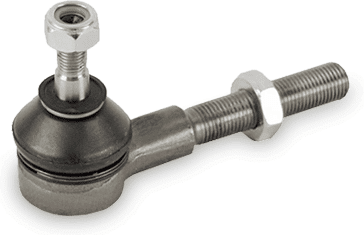
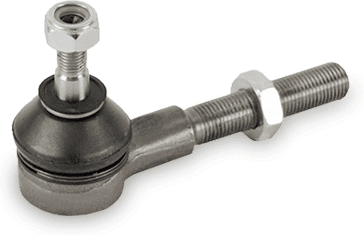
Similar search terms for MOOG-MD-ES-1815-Track-rod
Top-Angebote
Products related to MOOG-MD-ES-1815-Track-rod:
-
MOOG MD-ES-0621 Track rod endDiameter 1 [mm]: 15; Shape: angled; Container Type: Box; Length 1 [mm]: 93; Thread Size 1: M14XP1.5; Thread Size 2: M12X1.25; Packaging length [cm]: 20; Packaging width [cm]: 9,5; Packaging height [cm]: 5; Fitting Position: Front Axle, outer; Construction Year from: 11/20009,99 £*Shipping: 8,45 £Secure redirect to the provider
-
MOOG MD-ES-15087 Track rod endDiameter 1 [mm]: 15,5; Shape: angled; Container Type: Box; Length 1 [mm]: 182; Length 2 [mm]: 26; Thread Size 1: M14X1.5; Thread Size 2: M12X1.25; Paired product: MD-ES-15088; Packaging length [cm]: 34,5; Packaging width [cm]: 8,5; Packaging height [cm]: 6,5; Fitting Position: Front Axle Left9,99 £*Shipping: 8,45 £Secure redirect to the provider
-
MOOG MD-ES-4720 Track rod endShape: straight; Container Type: Box; Length 1 [mm]: 84,5; Length 2 [mm]: 20; Thread Size 1: L M14X1.5; Thread Size 2: M12X1.25; Packaging length [cm]: 12,5; Packaging width [cm]: 9; Packaging height [cm]: 8; Fitting Position: Front Axle Left, Front Axle Right, outer16,49 £*Shipping: 8,45 £Secure redirect to the provider
-
MOOG MD-ES-2713 Track rod endDiameter 1 [mm]: 16,1; Shape: straight; Container Type: Box; Length 1 [mm]: 85; Length 2 [mm]: 19; Thread Size 1: M14X1.5; Thread Size 2: M12X1.25; Packaging length [cm]: 13; Packaging width [cm]: 8,5; Packaging height [cm]: 6,5; Fitting Position: Front Axle Left, Front Axle Right, outer11,99 £*Shipping: 8,45 £Secure redirect to the provider
-
What happened between 1815 and 1871?
Between 1815 and 1871, Europe experienced significant political and social changes. The period began with the Congress of Vienna in 1815, which aimed to restore stability and order in Europe after the Napoleonic Wars. This led to the establishment of the Concert of Europe, a system of diplomatic cooperation among the major powers. However, the rise of nationalism and the spread of liberal ideas led to revolutions and uprisings across Europe in 1848. These events ultimately contributed to the unification of Italy and Germany in the 1860s and 1871, marking the end of the period with the creation of two new nation-states. **
-
Does it say "sei es" or "seien es"?
The correct phrase is "sei es." This phrase is used in German to express a wish or a hypothetical situation. The verb "sei" is the imperative form of the verb "sein" (to be) in the second person singular, and it is followed by "es" which means "it." Together, they form the phrase "sei es," which translates to "be it" in English. **
-
Does it say "Es existiert" or "Es existieren"?
The correct form is "Es existiert." This is because "es" is a singular pronoun, so the verb "existiert" should also be in the singular form. If the subject were plural, then the correct form would be "Es existieren." **
-
Do you say "Es quellt" or "Es quillt"?
The correct form is "Es quillt." The verb "quillt" is the third person singular form of the verb "quellen," which means "to well up" or "to gush." So, when describing something that is welling up or gushing, you would use "Es quillt." **


Do you say "Ist es" or "Es ist"?
In German, both "Ist es" and "Es ist" are correct, but they are used in different contexts. "Ist es" is used to form a question, for example "Ist es kalt?" (Is it cold?). On the other hand, "Es ist" is used to make a statement, for example "Es ist schön" (It is beautiful). So, the choice between "Ist es" and "Es ist" depends on whether you are asking a question or making a statement. **
Is it "Tu es jolie" or "Tu es joli"?
The correct phrase is "Tu es jolie" when referring to a female, and "Tu es joli" when referring to a male. In French, adjectives must agree in gender with the noun they are describing. Jolie is the feminine form of the adjective, while joli is the masculine form. **
Top-Angebote
Products related to MOOG-MD-ES-1815-Track-rod:
-
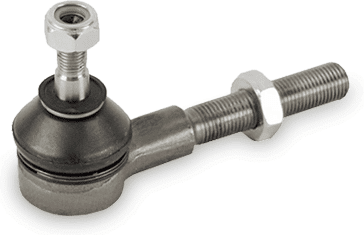
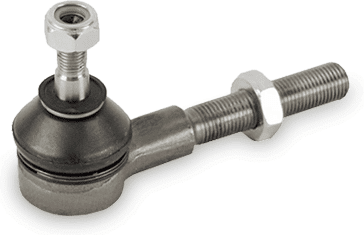
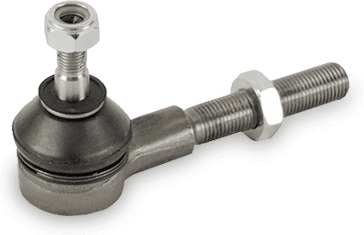
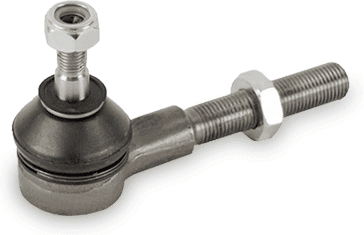
MOOG MD-ES-1815 Track rod endDiameter 1 [mm]: 16; Shape: angled; Container Type: Box; Length 1 [mm]: 130; Length 2 [mm]: 18; Thread Size 1: M14X1.5; Thread Size 2: M12X1.25; Paired product: MD-DS-1772; Packaging length [cm]: 20; Packaging width [cm]: 9,5; Packaging height [cm]: 5; Fitting Position: Front Axle Left, outer12,99 £*Shipping: 8,45 £Secure redirect to the provider
-
MOOG MD-ES-0621 Track rod endDiameter 1 [mm]: 15; Shape: angled; Container Type: Box; Length 1 [mm]: 93; Thread Size 1: M14XP1.5; Thread Size 2: M12X1.25; Packaging length [cm]: 20; Packaging width [cm]: 9,5; Packaging height [cm]: 5; Fitting Position: Front Axle, outer; Construction Year from: 11/20009,99 £*Shipping: 8,45 £Secure redirect to the provider
-
MOOG MD-ES-15087 Track rod endDiameter 1 [mm]: 15,5; Shape: angled; Container Type: Box; Length 1 [mm]: 182; Length 2 [mm]: 26; Thread Size 1: M14X1.5; Thread Size 2: M12X1.25; Paired product: MD-ES-15088; Packaging length [cm]: 34,5; Packaging width [cm]: 8,5; Packaging height [cm]: 6,5; Fitting Position: Front Axle Left9,99 £*Shipping: 8,45 £Secure redirect to the provider
-
Is it "sei es" or "seien es"?
The correct phrase is "sei es." This phrase is used in German to express a condition or possibility, similar to saying "be it" or "whether it is" in English. The verb "sei" is in the imperative form, while "es" is the pronoun referring to the subject of the condition. **
-
What happened in Saxony after 1815?
After 1815, Saxony became part of the German Confederation, a loose association of German states dominated by Austria and Prussia. The Kingdom of Saxony experienced political and social reforms, including the establishment of a constitutional monarchy in 1831. However, tensions between liberal and conservative factions persisted, leading to conflicts such as the May Uprising of 1849. Ultimately, Saxony became part of the German Empire in 1871 following the unification of Germany under Prussian leadership. **
-
What happened between 1815 and 1871?
Between 1815 and 1871, Europe experienced significant political and social changes. The period began with the Congress of Vienna in 1815, which aimed to restore stability and order in Europe after the Napoleonic Wars. This led to the establishment of the Concert of Europe, a system of diplomatic cooperation among the major powers. However, the rise of nationalism and the spread of liberal ideas led to revolutions and uprisings across Europe in 1848. These events ultimately contributed to the unification of Italy and Germany in the 1860s and 1871, marking the end of the period with the creation of two new nation-states. **
-
Does it say "sei es" or "seien es"?
The correct phrase is "sei es." This phrase is used in German to express a wish or a hypothetical situation. The verb "sei" is the imperative form of the verb "sein" (to be) in the second person singular, and it is followed by "es" which means "it." Together, they form the phrase "sei es," which translates to "be it" in English. **
Similar search terms for MOOG-MD-ES-1815-Track-rod
-
MOOG MD-ES-4720 Track rod endShape: straight; Container Type: Box; Length 1 [mm]: 84,5; Length 2 [mm]: 20; Thread Size 1: L M14X1.5; Thread Size 2: M12X1.25; Packaging length [cm]: 12,5; Packaging width [cm]: 9; Packaging height [cm]: 8; Fitting Position: Front Axle Left, Front Axle Right, outer16,49 £*Shipping: 8,45 £Secure redirect to the provider
-
MOOG MD-ES-2713 Track rod endDiameter 1 [mm]: 16,1; Shape: straight; Container Type: Box; Length 1 [mm]: 85; Length 2 [mm]: 19; Thread Size 1: M14X1.5; Thread Size 2: M12X1.25; Packaging length [cm]: 13; Packaging width [cm]: 8,5; Packaging height [cm]: 6,5; Fitting Position: Front Axle Left, Front Axle Right, outer11,99 £*Shipping: 8,45 £Secure redirect to the provider
-
MOOG MD-ES-4718 Track rod endDiameter 1 [mm]: 12,2; Shape: angled; Container Type: Box; Length 1 [mm]: 108; Length 2 [mm]: 28,5; Thread Size 1: M17X1.5; Thread Size 2: M10X1.25; Paired product: MD-ES-4717; Packaging length [cm]: 13; Packaging width [cm]: 8,5; Packaging height [cm]: 6,5; Fitting Position: Front Axle Right, outer12,99 £*Shipping: 8,45 £Secure redirect to the provider
-
MOOG MD-ES-10685 Track rod endDiameter 1 [mm]: 12,3; Shape: angled; Container Type: Box; Length 1 [mm]: 175; Length 2 [mm]: 25,35; Thread Size 1: M14X1.5; Thread Size 2: M12X1.25; Paired product: MD-ES-10686; Packaging length [cm]: 21,5; Packaging width [cm]: 13; Packaging height [cm]: 6; Fitting Position: outer, Front Axle Left18,49 £*Shipping: 8,45 £Secure redirect to the provider
-
Does it say "Es existiert" or "Es existieren"?
The correct form is "Es existiert." This is because "es" is a singular pronoun, so the verb "existiert" should also be in the singular form. If the subject were plural, then the correct form would be "Es existieren." **
-
Do you say "Es quellt" or "Es quillt"?
The correct form is "Es quillt." The verb "quillt" is the third person singular form of the verb "quellen," which means "to well up" or "to gush." So, when describing something that is welling up or gushing, you would use "Es quillt." **
-
Do you say "Ist es" or "Es ist"?
In German, both "Ist es" and "Es ist" are correct, but they are used in different contexts. "Ist es" is used to form a question, for example "Ist es kalt?" (Is it cold?). On the other hand, "Es ist" is used to make a statement, for example "Es ist schön" (It is beautiful). So, the choice between "Ist es" and "Es ist" depends on whether you are asking a question or making a statement. **
-
Is it "Tu es jolie" or "Tu es joli"?
The correct phrase is "Tu es jolie" when referring to a female, and "Tu es joli" when referring to a male. In French, adjectives must agree in gender with the noun they are describing. Jolie is the feminine form of the adjective, while joli is the masculine form. **
* All prices are inclusive of VAT and, if applicable, plus shipping costs. The offer information is based on the details provided by the respective shop and is updated through automated processes. Real-time updates do not occur, so deviations can occur in individual cases. ** Note: Parts of this content were created by AI.